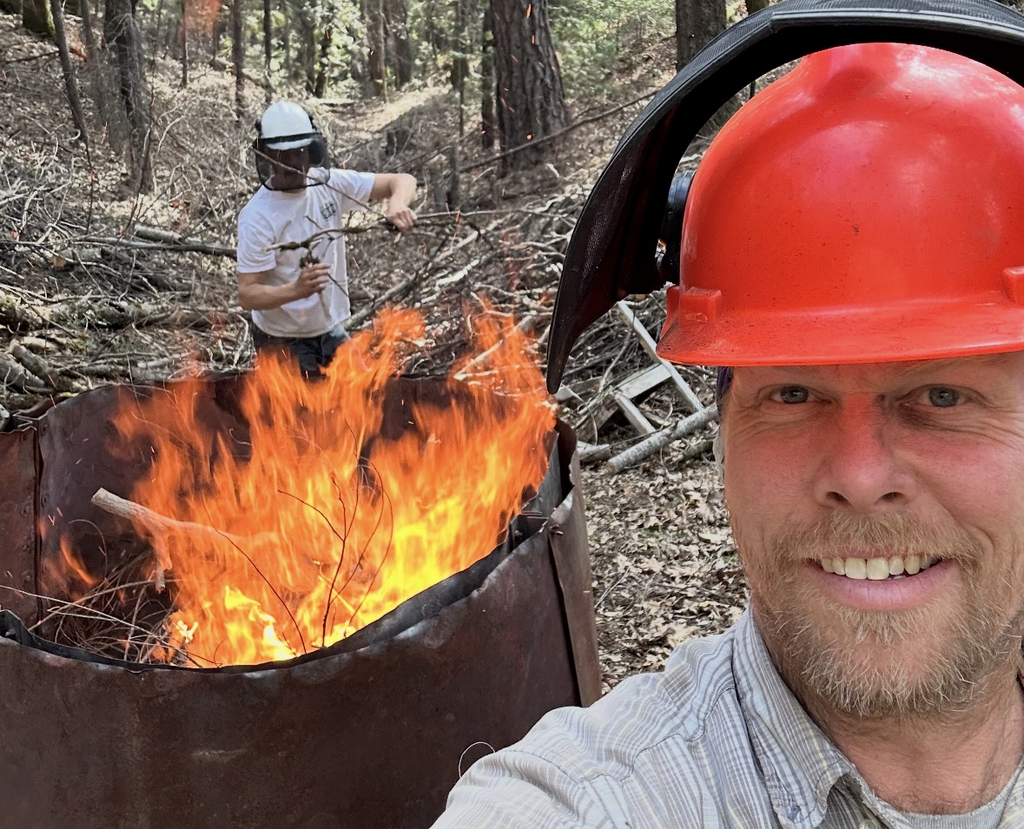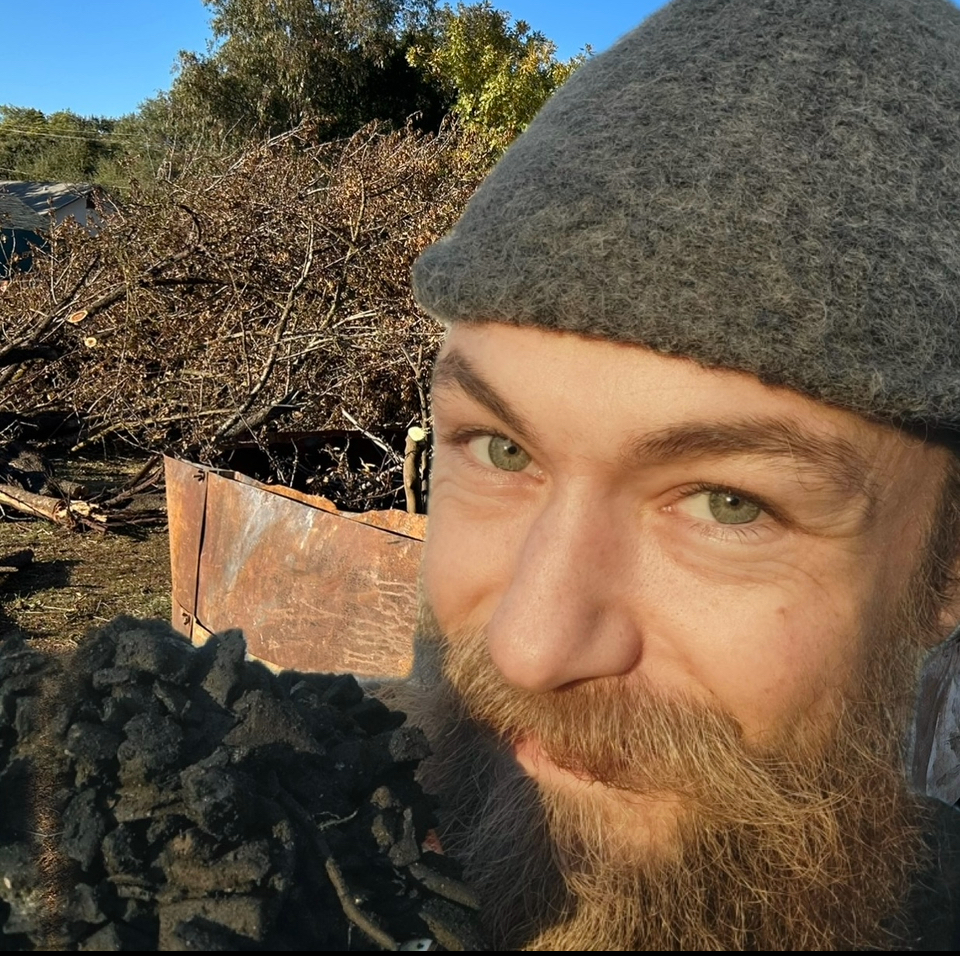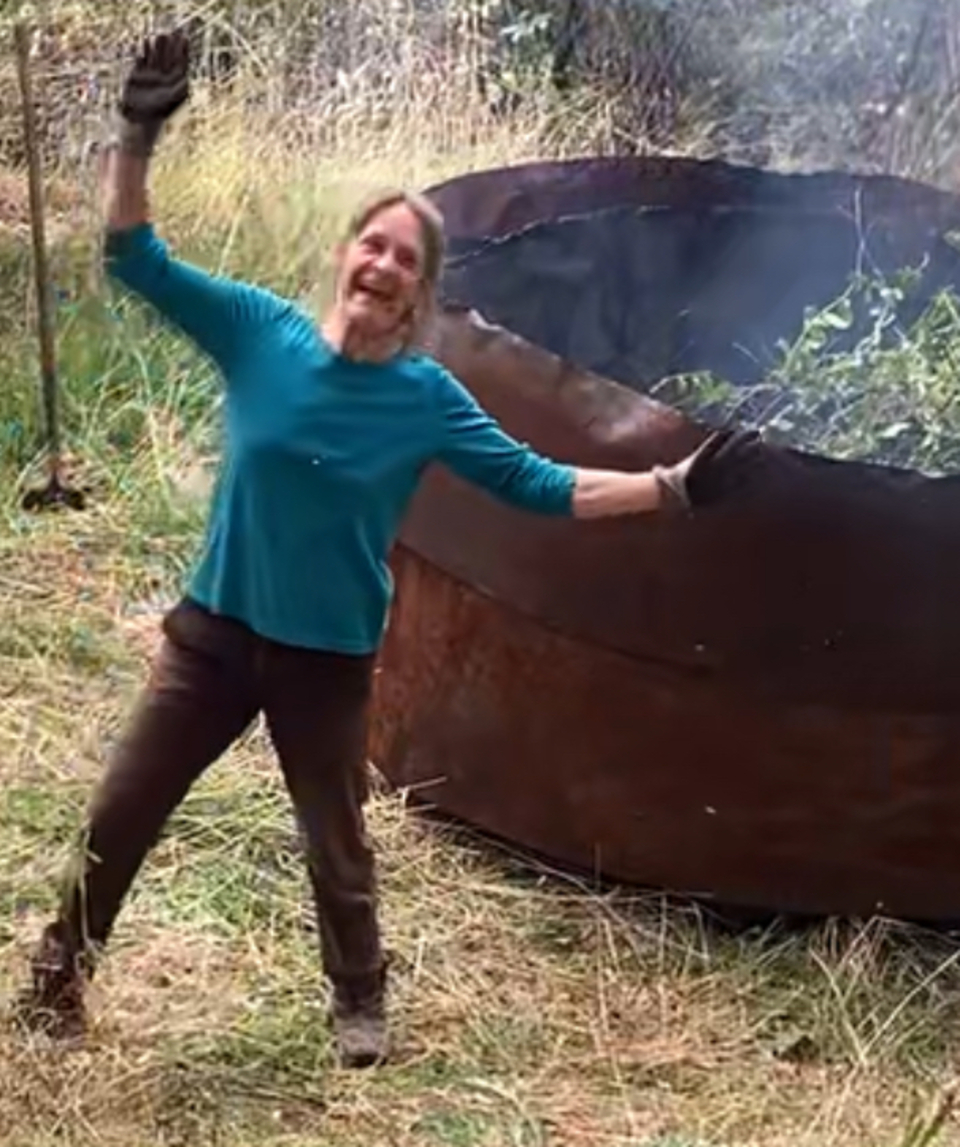
After attending a Ring of Fire kiln seminar in Durham in 2021, we decided to organize our efforts of making biochar for fire & climate resiliency. Our placed based carbon conversion is geared towards ecological stewardship and resource conservation through a grass roots, boots on the ground mentality.
We recognized the core issues surrounding mass charcoal production; education. Efforts are centered around enriching communities with this vita information, especially in wildland urban interfaces, agricultural and key water lenses. Our goals to reduce threats and excess biomass to increase sub-surface stable organic material. This can assist to open a pathway to less intensive biomass management strategies such as broadcast burns, work to reduce operating costs, decrease our footprint, to protect our timber lands and assist agriculture pursits.
29165 New School Road
Nevada City CA 95959
Phone.:530-264-0249
Email:BiocharCoalition@gmail.com
Board Members
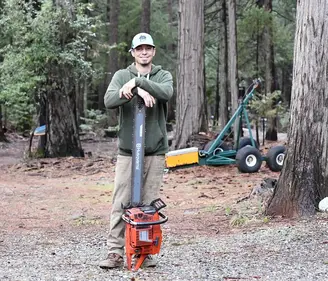
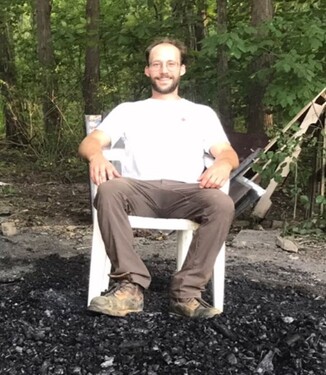
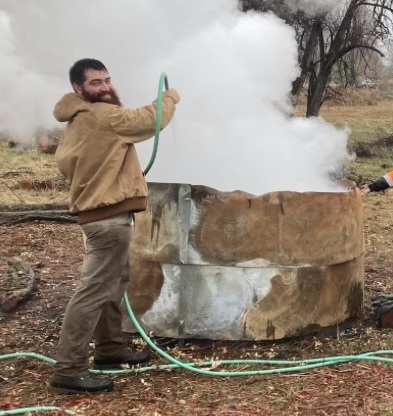
Living for the past 20+ years in the forest on the San Juan Ridge as a shepherd. Becoming a biochar advocate and founding board member inspired after reading Terra Preta by Kathleen Draper, and her following book Burn. Tabor has been educating biochar by demonstrating at workshops across multiple Californian counties and invites you to please join the movement, make more biochar!
Devoted his business to generating biochar to assist eco restorative functions and aid in its conservation. Ken is on a mission to educate and inform those unaware of biochar’s magical properties. His primary business is all about raising bugs to generate frass for inoculation blends to work in tandem with biochar. Before becoming a board member and original founder of the Coalition, he conducted 20+ Seminars in 3 states, showing others how to make and use biochar for each and everyone’s unique situation! If you would like to learn more about inoculating biochar, please visit KOFrass.com
Peter's interest with fire ecology began with lighting bunch-grasses and tree moss ablaze. Since then, he has dove into traditional methods of forest and rangeland stewardship on fuel crews, shepherding and drip-torching throughout Mendocino County. What drives him about char is the unmistakable fertility and feeling when his hands are in the soil.
A permaculture designer with 30 years experience in ecological landscaping in Northern California including work in Marin, Sonoma, Napa, Sacramento, and Nevada counties. He is an active speaker and presenter teaching about soil health, adaptive grazing, permaculture, and biochar. Tom has been active in helping bring biochar demonstrations and workshops to his local community. These workshops have focused on removing non-native invasive plants, using both open pit and kiln burning to turn the plant material into charcoal, and then inoculating with a variety of materials. Tom is also a member of the Oak Tree Park & Recreation District Board.
Dedicates significant time to public education around wildfire preparedness, fuels reduction, controlled burning, and regenerative land stewardship. As a board member of Biochar Coalition, Seth promotes biochar as a practical, low-impact tool that converts hazardous biomass into stable carbon while improving soil health and supporting long-term ecosystem resilience. He views biochar as a natural extension of responsible forest stewardship and a key strategy for restoring balance between communities and the landscapes they depend on.
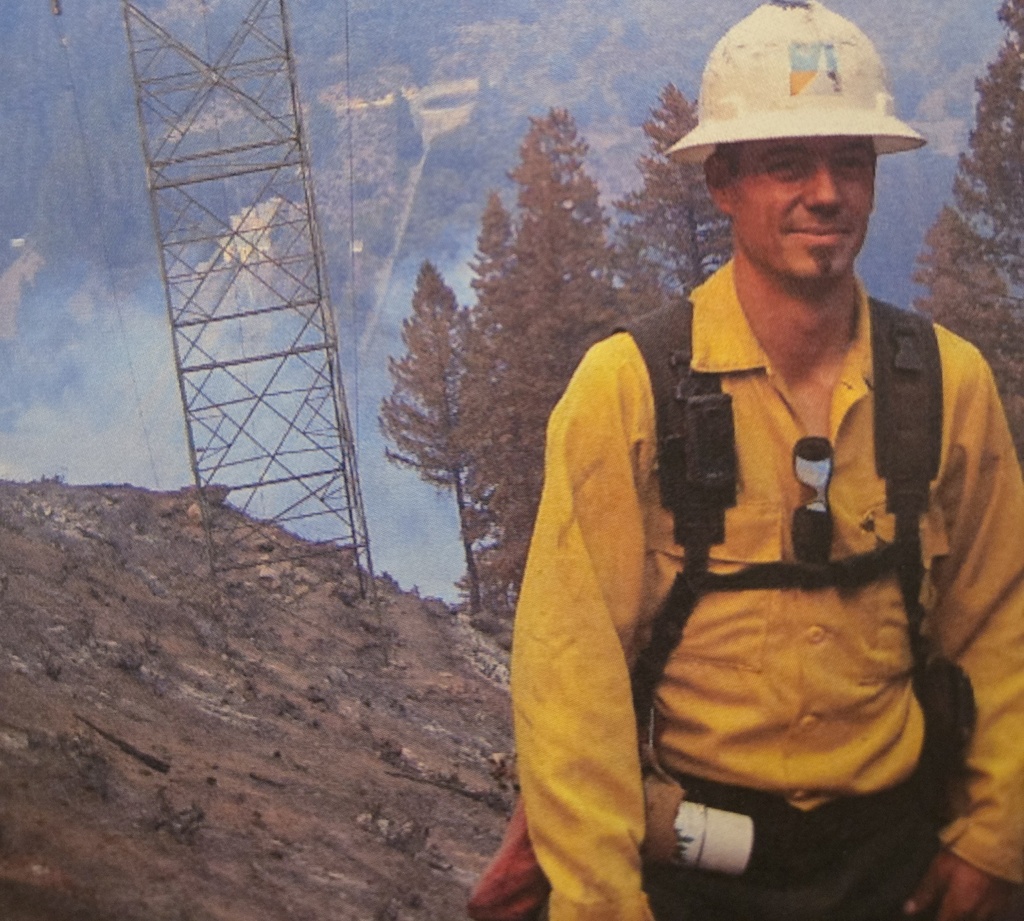
A business owner operates a full-day preschool enrichment program and a nature-based summer camp. Through self-education and teaching young children science, he discovered biochar. With a background in natural sciences, he became interested in biochar's many uses. The science of its production and environmental benefits captivated him. He connected with K Organics, focusing on microbial life development and agricultural propagation.
John has been involved in biochar for nearly a decade, participating in many burns with veteran producers. Last year, his business, Discovery Schoolhouse, acquired two "Ring of Fire" kilns, hosting two full-day burn events in 2022.
As a Biochar Coalition board member, John uses his educational platform to host events, spread awareness, and produce biochar. His community connections and east coast location contribute to the Biochar Coalition's growth and networking.
An avid educator in his community on the production of Biochar. Preston began his journey at Butte College being a student and learning from Stephen Feher. Acting to further progress biochar he opened a unique defensible space management company incorporating biochar into hazard fuel reduction contracts. Preston met Ken Scherer and then educated him on how to produce biochar utilizing the Kelpie Wilson Kiln. Preston was a catalyst to the formation of this group and since that time Preston is always advocating land owners on the benefits of producing biochar on their landscapes. Preston has performed a multitude of public outreach activities for Butte County California, and for the Navajo tribe in New Mexico.
Ari aka Chari, is a world traveler and has called the San Juan Ridge in Northern California her home base for the past 8 years. She became a biochar enthusiast, educator and advocate after reading the book “Terra Preta” by Kathleen Draper which dramatically changed her life. Ever since, has been making literal tons of biochar and educating people about the many benefits of biochar by doing hands on live biochar making workshops in her community, and around Northern California. She started her micro business Biocharma in hopes to bring awareness of the benefits biochar has to the world. Ari is also a biochar activist working to connect organizations, NGO’s, and local/state governments to cooperate & collaborate together in implementing biochar as a major part of the solution for sustainable agriculture, food security, environmental cleanup, and climate change. To learn more visit biocharma.com
Tim’s journey into sustainable agriculture began in 2014, focusing on organic cultivation and composting. Deeply involved in Korean Natural Farming since 2019, he’s skilled in creating microbial plant ferments for his business Chi-Microbes. Tim co-founded The Chico Compost Collective, advocating for soil regeneration. Passionate about biochar’s role in soil revitalization and carbon sequestration, he’s committed to teaching its production and benefits, aiming to transform soil health through innovative techniques and ecological stewardship.
An active participant in the organic, and now regenerative, farming and gardening movements for the past 35 years as a farmer, gardener, speaker and teacher. Renee’s love of growing healthy, living soils that infiltrate water and support functional ecosystems sparked her initial exploration into biochar and, eventually, the role of fire in California landscapes. She sees biochar serving a vital role in our transition back to fire-adapted living systems. Renee is the author of Nautilus Awards Gold winner The Living Earth Handbook: Creating Sustainability from the Inside Out.
Reducing Biomass Fire Fuel Threats with Less Smoke, Less Ash, Converting into More Biochar in Less Time!